
Tesofensine is a triple monoamine reuptake inhibitor originally developed by NeuroSearch for the treatment of Parkinson’s and Alzheimer’s disease, which later attracted significant research interest for its effects on metabolic and body weight regulation. It inhibits the reuptake of serotonin, dopamine, and norepinephrine, producing appetite-suppressing effects through central nervous system pathways distinct from GLP-1 receptor agonists.
Unlike injectable peptide compounds, tesofensine is an oral small molecule. This delivery advantage has made it a subject of ongoing research particularly among researchers studying central obesity mechanisms and CNS-mediated appetite regulation. The compound remains in active research and has not received regulatory approval for any indication as of 2026.
A Phase 2 randomized controlled trial (Lancet, 2008) studied tesofensine in 203 obese participants over 24 weeks. Key published findings:
| Study Phase | Daily Oral Dose | Mean Weight Loss (24 Weeks) |
|---|---|---|
| Placebo | — | −1.0 kg |
| Low dose | 0.25mg | −6.7 kg |
| Mid dose | 0.5mg | −12.8 kg |
| High dose | 1.0mg | −14.1 kg |
Data from published Phase 2 trial. Provided for research reference only — not dosing guidance for human use.
| Parameter | Tesofensine | Semaglutide (GLP-1) |
|---|---|---|
| Mechanism | Triple monoamine reuptake inhibition | GLP-1 receptor agonism |
| Route | Oral | Subcutaneous injection |
| Primary site of action | CNS (appetite/reward) | Peripheral + CNS |
| Thermogenic effect | Yes (NE pathway) | Indirect |
| Regulatory status (2026) | Research only | Approved (Ozempic/Wegovy) |
Researchers sourcing tesofensine should look for suppliers providing documented purity testing and identity verification. Essential supplier criteria:
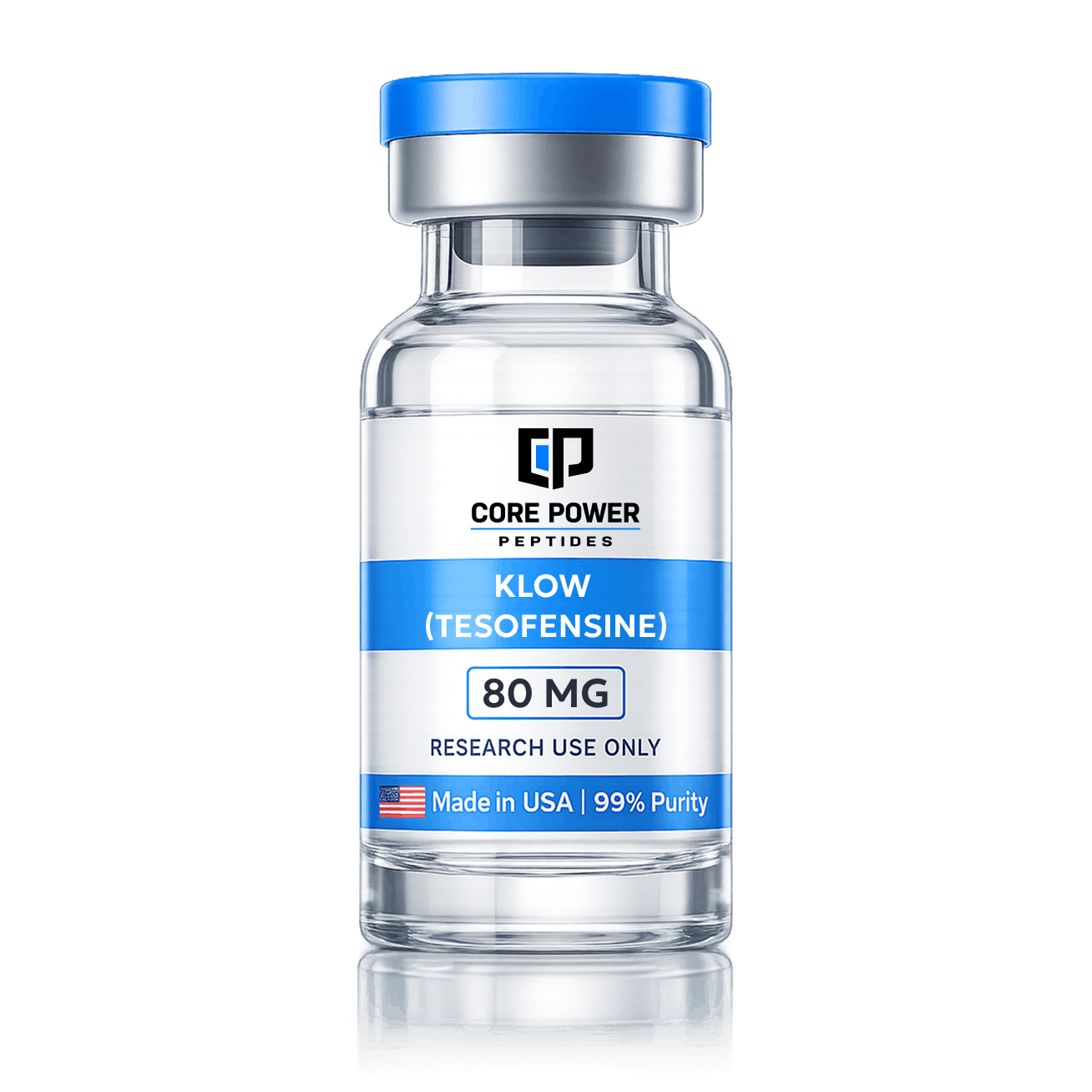
Route and mechanism both. Tesofensine is an oral small molecule inhibiting serotonin, dopamine, and norepinephrine reuptake, acting centrally on appetite and reward pathways. GLP-1 agonists such as retatrutide are injectable peptides acting on incretin receptors both peripherally and centrally. Tesofensine also produces a thermogenic effect through the norepinephrine pathway that GLP-1 compounds achieve only indirectly.
No — it is an oral small molecule, not a peptide, despite appearing in research peptide catalogs. That oral bioavailability is a substantial part of its research appeal.
Research only. Tesofensine was originally developed by NeuroSearch for Parkinson’s and Alzheimer’s disease and has not received regulatory approval for any indication as of 2026.
Educational and scientific reference only. Tesofensine is not approved for human use; material from Core Power Peptides is supplied strictly for in vitro and laboratory research and carries no medical claims.
